What Is Notebook Computer – Benefits & Tips
Published: 9 Feb 2026
A Notebook Computer has become one of the most trusted devices in modern life. In the United States, people rely on notebooks for work, study, travel, and daily tasks. This guide explains everything in clear language, so you can understand how a notebook computer works and whether it fits your needs.
From performance to portability, this article covers real-world use cases, comparisons, and buying advice. You will also learn how a notebook computer differs from other systems and why it remains a popular personal computer choice today.
What Is a Notebook Computer?
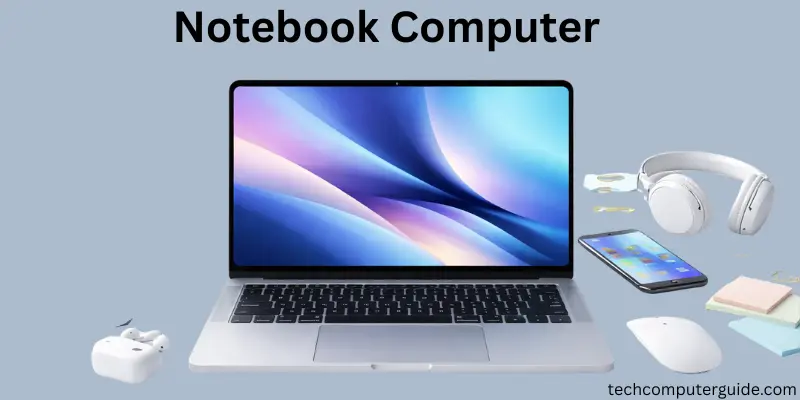
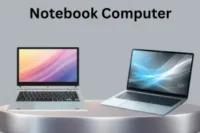
This computer question comes up often, especially for first-time buyers. A notebook computer is a portable computer designed to combine the screen, keyboard, battery, and internal hardware into one compact body. Many people also call it a laptop, which leads to the common laptop vs notebook discussion.
The notebook computer definition focuses on portability and ease of use. It works as a full mobile computing device that you can carry to school, offices, libraries, or airports. Unlike desktops, notebooks do not need a fixed location. This makes them ideal for notebook computer uses like writing documents, attending video calls, browsing the web, and light creative work.
Characteristics of a Notebook Computer
Notebook computers are known for being compact, easy to carry, and ideal for people who work on the go. They pack most of the power of a desktop into a lighter, smaller frame, so you can use them nearly anywhere and almost anytime. Notebook designs emphasize notebook computer characteristics like portability and all-in-one convenience, making them perfect for students, professionals, and casual users alike.
Here are the key Characteristics of a Notebook Computer that define their design and real-world value:
- A notebook is a portable computer built to be slim and light, often easier to carry than heavier laptops.
- Most notebooks integrate essential parts like the screen, keyboard, and touchpad into one compact unit without needing extra devices.
- Rechargeable batteries power notebooks, letting you work without being plugged in for many hours.
- Notebook screens usually range from about 11 to 14 inches, balancing size and mobility.
- They include notebook components such as USB, Wi-Fi, and Bluetooth for easy connectivity to networks and devices.
- Because they focus on energy-efficient parts, notebooks often offer longer use between charges than bigger devices.
These traits make notebooks loved for notebook computer uses that include everyday tasks like browsing, document editing, and light productivity work.
Components of a Notebook Computer
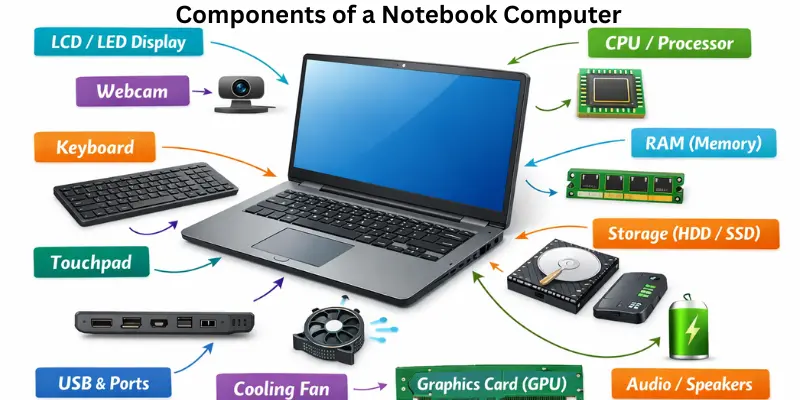
A notebook computer is made up of several key parts that work together inside a small, portable frame. Each component plays a role in performance, usability, and convenience, whether you are studying, working, or just browsing.
- Display Screen: Shows visuals and videos with built-in high resolution.
- Keyboard: Integrated for typing and input without extra devices.
- Touchpad: Acts as a mouse for navigation and clicking.
- Processor (CPU): Handles all tasks and manages speed.
- Memory (RAM): Helps applications run smoothly and quickly.
- Storage (HDD/SSD): Saves files, apps, and operating system data.
- Battery: Provides portable power for use without plugging in.
- Motherboard: Connects all components and manages communication.
- Graphics Card (GPU): Renders images, videos, and graphics.
- Speakers: Built-in sound output for media and calls.
- Webcam: Enables video calls and recordings directly on the device.
- Ports and Slots: Connects external devices like USBs and HDMI.
- Wi-Fi and Bluetooth Modules: Allows wireless internet and device connections.
- Cooling System: Prevents overheating during heavy use.
- Power Adapter: Charges the battery for continuous use.
These parts work together to ensure the notebook computer performs reliably while staying compact and portable.
Benefits and Drawbacks of Notebook Computers
In this section, we will look at the pros and cons of a notebook computer. Knowing the advantages and disadvantages will help you decide if it fits your work, study, or daily needs. Let’s break it down clearly.
| Advantages of a Notebook Computer |
|---|
|
| Disadvantages of a Notebook Computer |
|---|
|
Notebook vs Laptop: What’s the Difference?
Notebooks and laptops often get mixed up, but there are key differences in size, performance, and purpose. Understanding these differences helps you choose the right device for work, school, or casual use.
Size and Portability
Notebooks are generally smaller and lighter than laptops. Their thin design makes them easy to carry in bags or backpacks, which is ideal for students or professionals on the move. Laptops are larger, often heavier, and designed for users who need more power and bigger screens.
Performance
Laptops usually have stronger processors and more storage compared to notebooks. This allows them to handle demanding applications, like video editing or gaming, while notebooks focus on basic tasks like writing, browsing, or streaming.
Battery Life
Notebooks tend to have longer battery life since they are designed for light tasks and mobility. Laptops may drain faster because they support high-performance components, which consume more energy.
Use Cases
Notebooks are perfect for students, office work, and light computing on the go. Laptops are better for heavy workloads, creative work, and tasks that need more processing power and storage.
This comparison shows that notebooks are about convenience and mobility, while laptops focus on power and versatility.
Notebook vs Desktop Computer
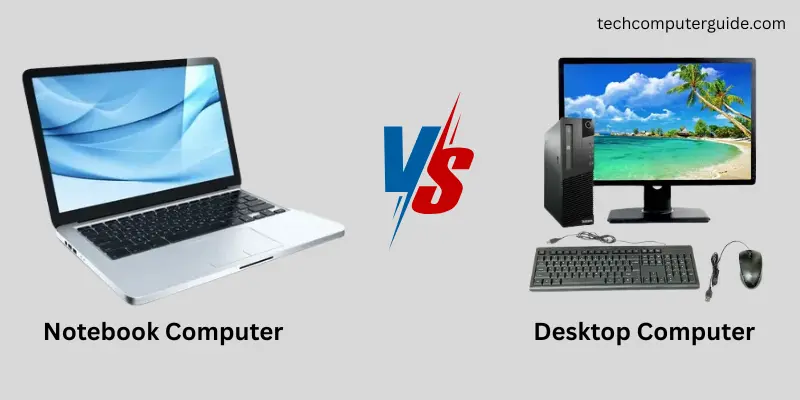
Notebooks and desktop computers are both personal computers, but they serve different purposes. Notebooks focus on portability and convenience, while desktops are built for performance and long-term use. Understanding their differences can help you choose the right one for work, study, or home use.
| Feature | Notebook | Desktop Computer |
| Portability | Easy to carry, lightweight, and perfect for working anywhere | Stays in one place and isn’t built for moving around |
| Performance | Great for everyday tasks like browsing, writing, and streaming | Handles demanding tasks like gaming, video editing, and design work |
| Customization | Limited upgrade options; most parts are fixed | Easy to upgrade and customize components like RAM, storage, and graphics cards |
| Price | Costs more for similar performance due to compact design | Offers better performance for the price |
| Display Size | Smaller screens, usually 10–17 inches | Larger monitors, usually 20 inches or more |
| Power Supply | Runs on rechargeable battery; can be used unplugged | Needs to stay plugged in all the time |
| Space Requirement | Compact; fits on small desks or even in a bag | Requires more space for monitor, CPU, and accessories |
| Usage | Ideal for basic tasks, travel, and students | Perfect for power users needing high performance for long hours |
| Durability | More prone to damage due to movement | Stays durable if kept in one place |
| Connectivity | Fewer ports but built-in Wi-Fi and Bluetooth | More ports for multiple devices like printers and external monitors |
This table makes it easy to compare notebook vs desktop computer for anyone looking to buy a computer for work, school, or personal use.
Best Notebook Computers in 2026
Choosing the right notebook computer in 2026 can be tricky with so many options available. Here, we’ve highlighted some of the best notebooks that suit different users, from professionals to students, balancing performance, portability, and value.
MacBook Pro M4
The MacBook Pro M4 is built for professionals who need speed and reliability. It handles demanding apps easily and offers long battery life, making it ideal for work, design, or content creation. Its lightweight design adds to its portability for mobile computing.
Dell XPS 16
The Dell XPS 16 combines performance with sleek visuals. It is perfect for creators or anyone who wants a powerful notebook computer for work and study. With its high-resolution screen and strong processor, multitasking is smooth and fast.
HP Spectre x360 14
HP Spectre x360 14 is a flexible 2-in-1 notebook that works as both a tablet and a laptop. Its long battery life and strong performance make it suitable for students, office users, or travelers who need a portable laptop for travel.
Acer Swift Edge 4
Acer Swift Edge 4 is budget-friendly without sacrificing key features. Its lightweight design, decent processing power, and good display quality make it one of the best options for casual users or small notebook PC buyers.
Lenovo ThinkPad X1 Nano
The Lenovo ThinkPad X1 Nano is small, ultra-light, and perfect for professionals who move around a lot. Despite its size, it offers fast performance, excellent battery life, and advanced security features, making it a strong mini notebook computer option.
Notebook Computer Accessories You Should Have
Notebook computers work well on their own, but adding the right notebook computer accessories can make using them easier, more productive, and more comfortable. The right tools help you work, study, or enjoy media without interruptions.
Laptop Bag or Sleeve
A sturdy bag or sleeve keeps your notebook safe from scratches, bumps, and dust while moving around. It also makes carrying your device easier without adding extra weight.
External Mouse
Using an external mouse gives more precise control than a touchpad. It is useful for browsing, gaming, designing, or working on detailed projects.
Cooling Pad
A cooling pad prevents the notebook from overheating during long work sessions. This helps maintain performance and extends the life of the device.
External Keyboard
An external keyboard is better for long typing sessions and protects the built-in keyboard from wear and tear.
Laptop Stand
A stand raises the notebook to eye level, reducing neck and back strain while improving comfort for work or study.
Portable Charger (Power Bank)
A power bank lets you recharge your notebook while on the go. This keeps your work or study uninterrupted, even without an outlet nearby.
USB Hub
A USB hub allows connecting multiple devices like flash drives, printers, or external storage. It expands the notebook’s limited port options.
External Monitor
An extra monitor gives more screen space, making multitasking easier. It is helpful for work, creative projects, or watching movies.
Headphones or Earbuds
These improve sound quality for calls, music, or videos while keeping your audio private.
External Storage (HDD/SSD)
Extra storage helps back up files, store large projects, and keeps the notebook’s internal storage free for smooth performance.
These accessories enhance notebook computer features and make using a portable device more efficient and enjoyable for students, professionals, or casual users.
How to Choose the Best Notebook Computer
Choosing the right notebook computer can be tricky with so many options available. Focusing on key factors ensures you get a device that fits your needs, whether for work, study, or travel.
Performance and Processor
Look for a strong processor and enough RAM to handle your daily tasks smoothly, from browsing to multitasking.
Storage Type and Capacity
Decide between SSD for speed or HDD for larger storage. A mix of both can also be practical.
Screen Size and Resolution
Choose a screen size that balances portability and comfort. Full HD or 4K options give better visuals.
Battery Life
Long battery life is essential if you travel often or work away from a desk.
Weight and Portability
A lightweight notebook computer is easier to carry around and ideal for students or professionals on the move.
Connectivity Options
Ensure the notebook has USB, HDMI, Wi-Fi, and Bluetooth ports for connecting devices and accessories.
Budget
Compare prices and features to get the best value for your requirements without overspending.
Brand and Support
Trusted brands often provide better customer support, warranty, and reliable performance over time.
This approach helps you pick the best notebook computer 2026 that fits your lifestyle and work needs.
Conclusion
To wrap things up, we’ve covered everything about the notebook computer—from its key components of a notebook computer and characteristics to its advantages and disadvantages, and even the best options in 2026. You now know how notebooks help with work, study, and everyday tasks while staying portable and easy to use.
If you’re looking for a reliable device, I’d suggest picking a notebook computer that fits your needs for battery life, performance, and portability. Folks, having the right notebook can make your daily tasks much smoother and more enjoyable. Keep exploring and stay tuned for more tips on choosing the best tech for your lifestyle!
FAQs
A notebook computer is a small, portable computer that you can carry easily. It works like a desktop but is lightweight and compact. You can use it for browsing, writing, streaming, or studying. Notebooks are great for people who need computing on the go.
The main difference is size and weight. Notebooks are usually thinner and lighter, while laptops can be bigger and more powerful. Laptops are better for heavy tasks, but notebooks are easier to carry. Both can do similar basic work like browsing and document editing.
It depends on what you need. A notebook is better for portability and work on the go. A PC is better if you want more power, upgrade options, and bigger screens. Notebooks are easier to carry, PCs are stronger for heavy tasks.
Not exactly, though the terms are often used interchangeably. A notebook is a lighter, slimmer version of a laptop. Laptops are usually bigger and can handle more demanding programs. Both can perform basic computer tasks.
You can use a notebook computer for work, study, or personal tasks. It is useful for browsing the internet, writing documents, streaming videos, and attending online meetings. Notebooks are ideal when you need a computer anywhere, not just at home.
Yes, a notebook is another name for a laptop. It emphasizes portability and slim design. While laptops can be larger, notebooks are compact versions for easier travel.
They are called notebooks because they are small and light like a paper notebook. The name highlights easy portability. Companies started using this term to show these computers are convenient to carry anywhere.




- Be Respectful
- Stay Relevant
- Stay Positive
- True Feedback
- Encourage Discussion
- Avoid Spamming
- No Fake News
- Don't Copy-Paste
- No Personal Attacks
- Be Respectful
- Stay Relevant
- Stay Positive
- True Feedback
- Encourage Discussion
- Avoid Spamming
- No Fake News
- Don't Copy-Paste
- No Personal Attacks
