Uses of Storage Devices in Business, Education and Personal Life
Published: 7 Nov 2025
Have you ever wondered where all of your images, movies and documents go when they’re saved?Many people misunderstand the importance of storage devices to protect the safety and availability of digital data.This article will explain the main uses of storage devices and show how they make keeping and finding data easy.
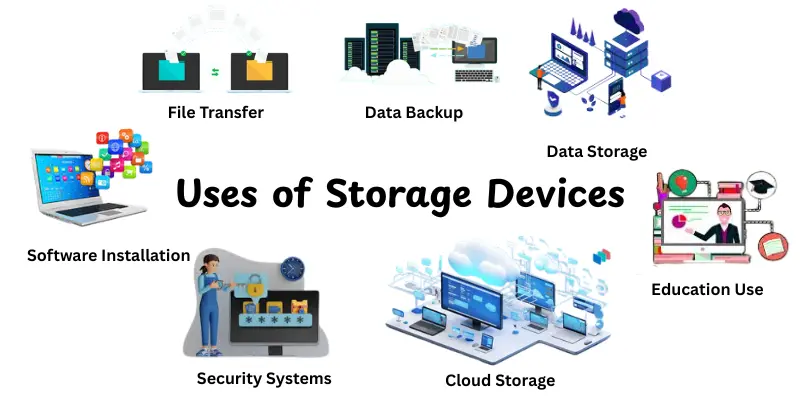
Uses of storage devices
Storage devices play a role in practically every digital activity we use today.From keeping school projects to storing industrial data, these devices keep our information safe and available for use when needed.Let’s take a look at the main uses for storage devices and how they make our life easier.Applications for Storage Devices:
- Data Storage
- Data Backup
- Software Installation
- File Transfer
- Media Storage
- Business Records
- Education Use
- Cloud Storage
- Security Systems
- Research and Science
1. Data Storage
Storage devices help you keep your important data secure and organized.They save images, movies, music and documents so you can access them whenever needed.Every device, from USB devices to hard disks, helps minimize data loss.You can even transport them easily.
Key Advantages:
- Keeps files safe and accessible
- Reduces the risk of data loss
- Easy to organize and retrieve data
2. Data Backup
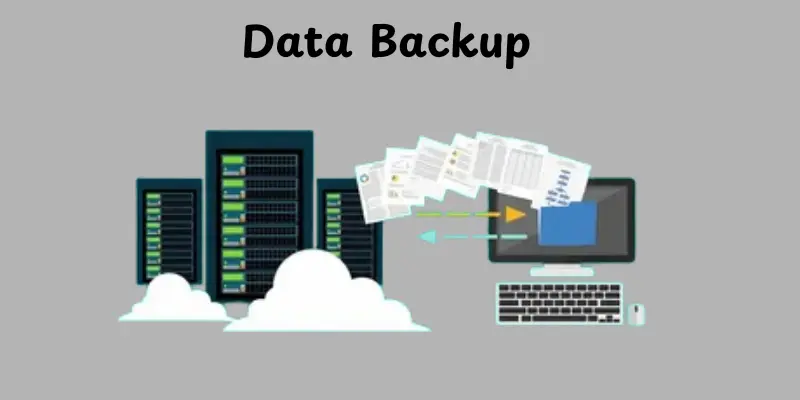
Data backup keeps your data safe from accidental delete or system failure.External hard drives and cloud storage create copies of your data.This makes sure that your data is protected even during computer issues or theft.Regular backups provide peace of mind.
Key Advantages:
- Prevents loss from accidents or damage
- Offers quick data recovery
- Ensures important files are always safe
3. Software Installation
Storage devices store and operate the software that computers need.These devices are used to install operating systems, games and other programs.They are useful to the correct operation of any system.They help your computer start and run properly.
Key Advantages:
- Enables system and app installation
- Keeps programs ready for use
- Ensures smooth computer operation
4. File Transfer
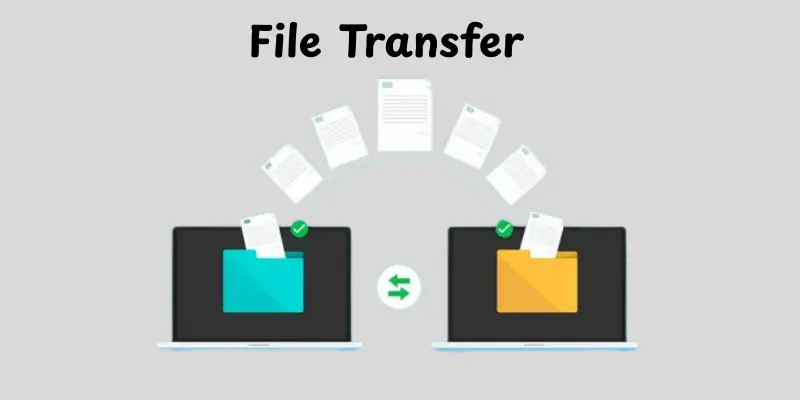
Storage devices allow the transfer of data between systems.USB drives and memory cards let you quickly move files without using the internet.They are good for sharing papers, music and media. File transfer tools help you save time and share files more easily.
Key Advantages:
- Quick and easy file sharing
- Works without an internet connection
- Portable and reusable
5. Media Storage
People use storage devices to save movies, music and photos.These files take up a lot of space, so having dedicated storage is helpful.External drives or DVDs can keep memories safe for years.You can watch or play them at any time.
Key Advantages:
- Stores large media collections
- Keeps memories safe for long-term use
- Provides easy playback access
6. Business Records
Companies use storage devices to keep company data, customer information and reports.It provides the effective management of work files but offering data protection.Backup systems also secure sensitive data.This makes company processes easier and organized.
Key Advantages:
- Keeps business data safe and secure
- Simplifies data organization
- Prevents loss of important records
7. Education Use
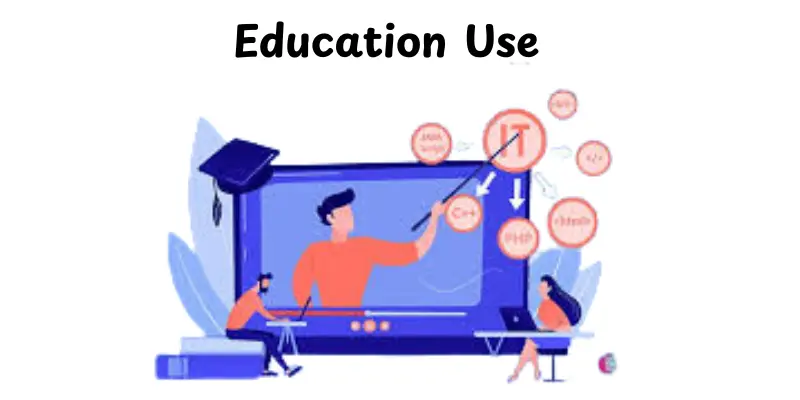
Students and professors use storage devices to save homework, notes and presentations.It allows the simple sharing of educational material.These devices allow online learning and research storage.They make studying easier and affordable.
Key Advantages:
- Helps store and share study materials
- Supports online and offline learning
- Saves time and improves organization
8. Cloud Storage
Cloud storage enables users to save data online instead of on physical devices.It provides easy access from any device with an internet connection.You can share, edit and backup files right away.It’s a modern and flexible storage option.
Key Advantages:
- Accessible anytime, anywhere
- Offers automatic backups
- Saves device storage space
9. Security Systems
Storage devices record and store video footage from CCTV cameras.They help to monitor places and give proof when needed.Many systems use hard drives or cloud storage for long-term backups.This improves safety and accountability.
Key Advantages:
- Records and saves surveillance footage
- Enhances safety and monitoring
- Provides easy access to past recordings
10. Research and Science
Researchers use storage devices to save huge quantities of experimental data and reports. These devices can process complicated information in a timely and secure way.They also support the transfer of research findings to other scientists.Reliable storage helps continuous research work.
Key Advantages:
- Handles large scientific data safely
- Supports data analysis and sharing
- Ensures secure long-term storage
Conclusion
We’ve discussed the many applications of storage devices and how they benefit us in everyday life, from keeping school projects to running large company systems.These solutions simplify and safeguard our digital life by keeping our data safe and easily available.My own advice is to always select the storage option that best fits your needs, if it’s a small USB drive for daily tasks or cloud storage for long-term backups.Stay tuned, friends, because there is always more to learn about making technology work better for you!
FAQs
Storage devices help you save and access files like photos, videos and documents whenever you need them.They also let you back up important data and transfer information between devices. In simple words, they ensure your digital life stays safe and ready.
In business, storage devices store project files, reports and customer data securely.They support daily operations by keeping data easily retrievable and helping with backups for safety.With large capacity options, companies can manage big data without risk of losing it.
Absolutely! Students and teachers use storage devices to save notes, assignments, slides and research.They also share files easily across classes or devices.This makes studying and collaborating much simpler.
Yes, very much so.You can store movies, music and games on storage devices and enjoy them anytime.Devices like external drives or cloud storage help keep large media libraries organized and easy to access.
Storage devices allow you to keep copies of your important files in case of computer failure or accidental deletion.They also make it easier to restore data quickly and safely.Adding backups means you won’t lose cherished memories or key work because of technical issues.
Storage devices are used to save files, back up important data, and transfer information between computers. They help keep your photos, videos, and documents safe and easy to access whenever you need them.



- Be Respectful
- Stay Relevant
- Stay Positive
- True Feedback
- Encourage Discussion
- Avoid Spamming
- No Fake News
- Don't Copy-Paste
- No Personal Attacks
- Be Respectful
- Stay Relevant
- Stay Positive
- True Feedback
- Encourage Discussion
- Avoid Spamming
- No Fake News
- Don't Copy-Paste
- No Personal Attacks
