What is a Mainframe Computer? Exploring Its Role in Modern Technology
Published: 15 Dec 2025
Is the mainframe computer a thing of the past, or is it still used today? Many people assume that mainframes are outdated, but in reality, they continue to play a useful role in modern technology.In this guide, we’ll explore why mainframe computers are still helpful for large businesses and industries. We’ll cover their history, how they work and the key benefits they offer. By the end, you’ll have a clear understanding of what makes mainframes so powerful and how they continue to shape the digital world.
What is Mainframe Computers
A mainframe computer is a type of computer that is used by large organizations to process and store huge amounts of data. It stands for a high-performance computer system that can handle thousands of tasks continuously. Mainframes are designed to be reliable, secure and capable of running critical business applications.They are often used in industries like banking, healthcare and government, where large-scale data processing is essential.Unlike personal computers, mainframes can support many users at once without slowing down. These machines are built to handle demanding workloads and ensure that important information is always accessible.
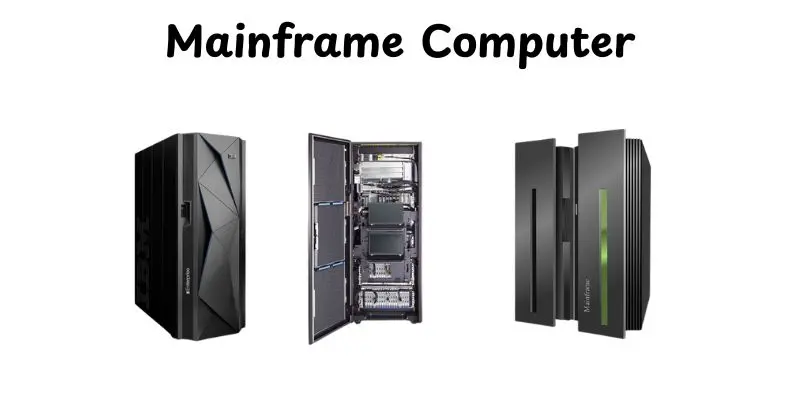
History of Mainframe Computers
The history of mainframe computers spans decades, evolving from massive machines to powerful systems that are still important today. Understanding their journey helps us appreciate their ongoing impact on modern technology.
- First Commercial Mainframe: The IBM 701, launched in 1952, was the first commercial mainframe.
- Key Role in Business: Mainframes were essential for large businesses, processing vast amounts of data.
- IBM’s System/360: Introduced in 1964, it set the standard for mainframes by being flexible and scalable.
- Adapting with Time: Despite personal computers’ rise, mainframes adapted and remained crucial for big data tasks.
- Modern-Day Relevance: Mainframes continue to power industries like banking, healthcare and government.
How Mainframe Computers Work
Mainframe computers are powerful machines designed to handle large-scale tasks and store huge amounts of data.They work by processing multiple requests from different users at the same time, ensuring that all data is managed efficiently. Let’s break down how they work:
- Central Processing Unit (CPU): The mainframe’s brain, where all calculations and instructions are processed.
- Memory: Stores data temporarily so the CPU can access it quickly.
- Input/Output Systems: Receives and sends data to and from the computer, connecting it to other devices.
- Parallel Processing: Mainframes can handle multiple tasks simultaneously, allowing for fast data processing and multitasking.
- Reliable Storage: Uses large, secure storage systems to hold enormous amounts of data safely.
- Operating System: Manages all the software, ensuring tasks run smoothly and multiple users can access the system at once.
Features of Mainframe Computers
Mainframe computers are known for their power, reliability and ability to handle large-scale operations.Here are some key features that make them stand out:
- High Processing Power: Mainframes can process millions of instructions per second, handling complex tasks efficiently.
- Large Storage Capacity: They can store huge quantities of data, often in terabytes or more, making sure that organizations never run out of space.
- Multi-User Capability: Mainframes support thousands of users at the same time, providing simultaneous access to the system.
- Scalability: Mainframes can be upgraded to handle more tasks and data as the organization grows.
- Reliability and Uptime: Designed for 24/7 operation, they rarely fail, making them highly dependable for mission-critical applications.
- Security:They use strong security measures to keep sensitive data safe from unauthorized access.
- Virtualization: Mainframes can run multiple virtual systems, allowing them to perform several tasks at once without any performance loss.
- Batch and Real-Time Processing: Mainframes can handle both types of data processing, making them flexible for various industries.
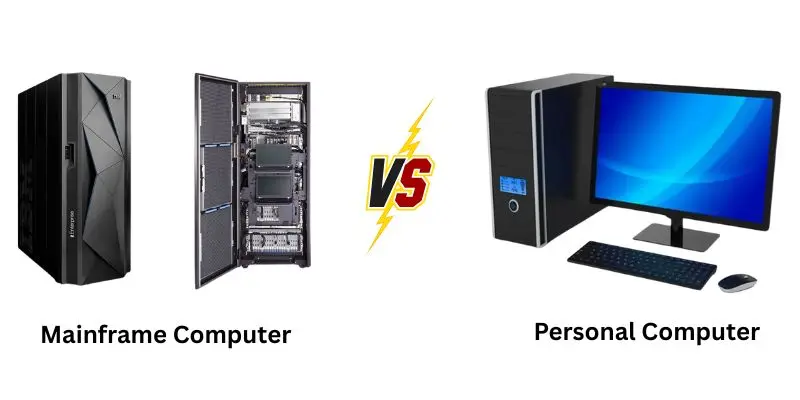
Mainframe vs Personal Computers
Mainframe computers and personal computers (PCs) are both types of computers, but they serve very different purposes and are designed for different uses.Let us compare them to discover their main differences.
- Size and Power: Mainframes are huge and can process millions of transactions per second, while personal computers are much smaller and are designed for individual tasks.
- Capacity: Mainframes can support thousands of users continuously, whereas personal computers are designed for one or a few users at a time.
- Usage: Mainframes are used in large businesses, banks and governments for critical operations, while personal computers are used for personal tasks like browsing the internet, working on documents, or playing games.
- Performance: Mainframes handle large, complex operations like data processing, while personal computers are meant for simpler tasks and are less powerful in comparison.
- Cost: Mainframes are very expensive to buy and maintain, while personal computers are affordable and easy to replace.
- Reliability: Mainframes are built to run 24/7 without downtime, making them highly reliable for business-critical applications. Personal computers may require restarts and have less reliability for continuous operation.
Uses of Mainframe computer
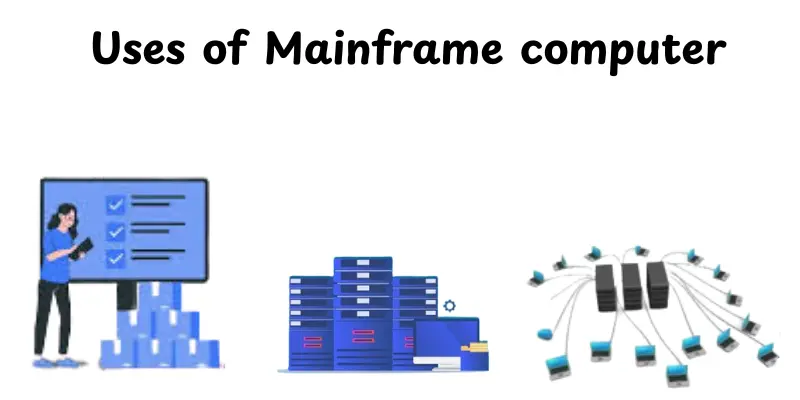
Mainframe computers play a key role in industries that need to process large amounts of data quickly and securely. They are used for tasks that require high reliability, power and scalability. Let’s explore some of their key applications of mainframe computer:
- Used for managing large-scale transactions, processing millions of financial operations every day.
- Stores and processes patient data, running applications for hospitals and medical research.
- Handles important data, including tax records and social security systems, ensuring secure, reliable access.
- Manages large databases, processing claims and policyholder information for major insurance companies.
- Used by large retailers for managing inventory, processing sales transactions, and handling customer data.
- Supports complex simulations and data analysis in fields like physics, genetics, and environmental science.
- Manages flight scheduling, bookings, and reservations, ensuring smooth operation for airlines worldwide.
- Processes huge amounts of data, managing customer accounts, billing, and network operations.
Mainframe Operating Systems
Mainframe operating systems are specifically designed to manage the complex tasks and large-scale operations that mainframe computers handle.These operating systems are built to ensure reliability, security and efficient processing for multiple users. Let’s explore some of the mainframe operating systems:
- IBM z/OS: The most widely used mainframe OS, known for its scalability, security features and support for running multiple applications simultaneously.
- IBM z/VM: Focuses on virtualization, allowing mainframe systems to run multiple virtual machines, improving resource utilization.
- IBM z/VSE: A simpler operating system designed for smaller mainframe systems, used mainly by businesses that need less complexity.
- Unisys OS 2200: Known for high availability and reliability, often used in industries like finance and government.
- Linux on IBM Z: A version of the Linux OS optimized to run on IBM mainframes, offering flexibility and open-source software benefits for enterprise-level operations.
Pros and Cons of Mainframe Computer
Mainframe computers offer powerful capabilities for large organizations, but they also come with some challenges. In this section, we’ll look at the key advantages and disadvantages of using a mainframe computer.
| Advantages of Mainframe Computer |
|---|
|
| Disadvantages of Mainframe Computer |
|---|
|
The Future of Mainframe Computers
As technology continues to evolve, mainframe computers are adapting to new trends like cloud computing and artificial intelligence.The future of mainframes looks promising, with continued relevance in handling large-scale data and ensuring high security.Let’s explore what lies ahead for mainframes.
- Integration with Cloud Computing: Mainframes are becoming more compatible with cloud services, allowing businesses to use both technologies together for better flexibility and cost efficiency.
- Increased Use of AI and Machine Learning: Mainframes will be crucial in running AI applications, handling large-scale data processing needed for machine learning models.
- Focus on Security: As cyber threats increase, mainframes’ strong security features will remain in high demand for sectors like finance, healthcare and government.
- Energy Efficiency: Newer mainframes are being designed with better energy efficiency to meet growing environmental concerns and reduce operational costs.
- Virtualization and Automation: Mainframes will continue to improve through virtualization, making them more efficient and easier to manage, while automation will streamline operations even further.
- Sustaining Legacy Systems: Many businesses will continue to rely on mainframes for legacy applications, ensuring their relevance for years to come.
Common Myths About Mainframe Computers
There are many myths surrounding mainframe computers that often make people think they are outdated or irrelevant. In reality, these myths don’t reflect the true power and potential of mainframes.Let’s debunk some of the most common misconceptions.
- Mainframes are obsolete: Mainframes are still widely used and continue to evolve, playing a vital role in industries like banking and healthcare.
- Mainframes are too expensive for modern businesses: While they have high initial costs, they are cost-effective in the long run for large businesses with heavy data processing needs.
- Only large corporations use mainframes: Mainframes are used by many industries, including smaller businesses and government agencies, for critical data tasks.
- Mainframes are difficult to maintain: Although they require specialized knowledge, modern mainframes are easier to manage with improved software and automation tools.
- Mainframes cannot work with newer technologies: Mainframes can integrate seamlessly with cloud computing, AI, and other modern tech, making them flexible for the future.
- Mainframes are slower than newer computers: Mainframes are actually designed for high-speed processing and can handle much larger tasks than personal computers or servers.
Conclusion
In this guide, we’ve explored the world of mainframe computers, covering everything from their history and how they work, to their advantages, disadvantages and common myths. We’ve also discussed their applications and future, showing just how essential they still are in industries like banking, healthcare and government.
If you’re working in an industry that handles large-scale data or requires high reliability, I highly recommend looking into mainframe computers.They’re not just for big corporations; they offer great value for businesses that need power and security.Stay tuned for additional insights and continue to learn!
FAQs about Mainframe Computer
Here, we answer some of the most common questions about mainframe computers:
These are five main examples of mainframe computers:
- IBM z15
- IBM z14
- Unisys ClearPath Dorado
- Fujitsu GS21
- Hitachi AP3000
Yes, mainframe computers are still widely used today, especially in industries like banking, healthcare, and government. They continue to handle large-scale data processing and mission-critical applications.
Mainframe computers are designed for reliability and managing large amounts of data for many users, while supercomputers are built for performing extremely complex calculations quickly. Supercomputers are usually used in scientific research, while mainframes handle everyday business operations.
A mainframe computer is used by big organizations to process and store huge amounts of data quickly and safely. It runs important tasks like bank transactions, airline bookings, and government records. Mainframes handle many users at the same time without slowing down.
Yes, mainframe computers are still used in many industries that need strong data processing. Banks, hospitals, and governments rely on them for fast, secure work. Even with newer tech, mainframes remain important.
Mainframe computers cost a lot more than normal PCs. They are expensive to buy and maintain because they are built for big tasks. Many large businesses budget for them because of their power and reliability.
Yes, mainframes can work with cloud systems. Modern mainframes often support hybrid setups that use both mainframe and cloud technologies. This helps businesses stay flexible and fast.
Mainframes use special operating systems designed for large workloads. These systems help manage many users and tasks at the same time. They also keep data secure and steady under heavy use.



- Be Respectful
- Stay Relevant
- Stay Positive
- True Feedback
- Encourage Discussion
- Avoid Spamming
- No Fake News
- Don't Copy-Paste
- No Personal Attacks
- Be Respectful
- Stay Relevant
- Stay Positive
- True Feedback
- Encourage Discussion
- Avoid Spamming
- No Fake News
- Don't Copy-Paste
- No Personal Attacks
